

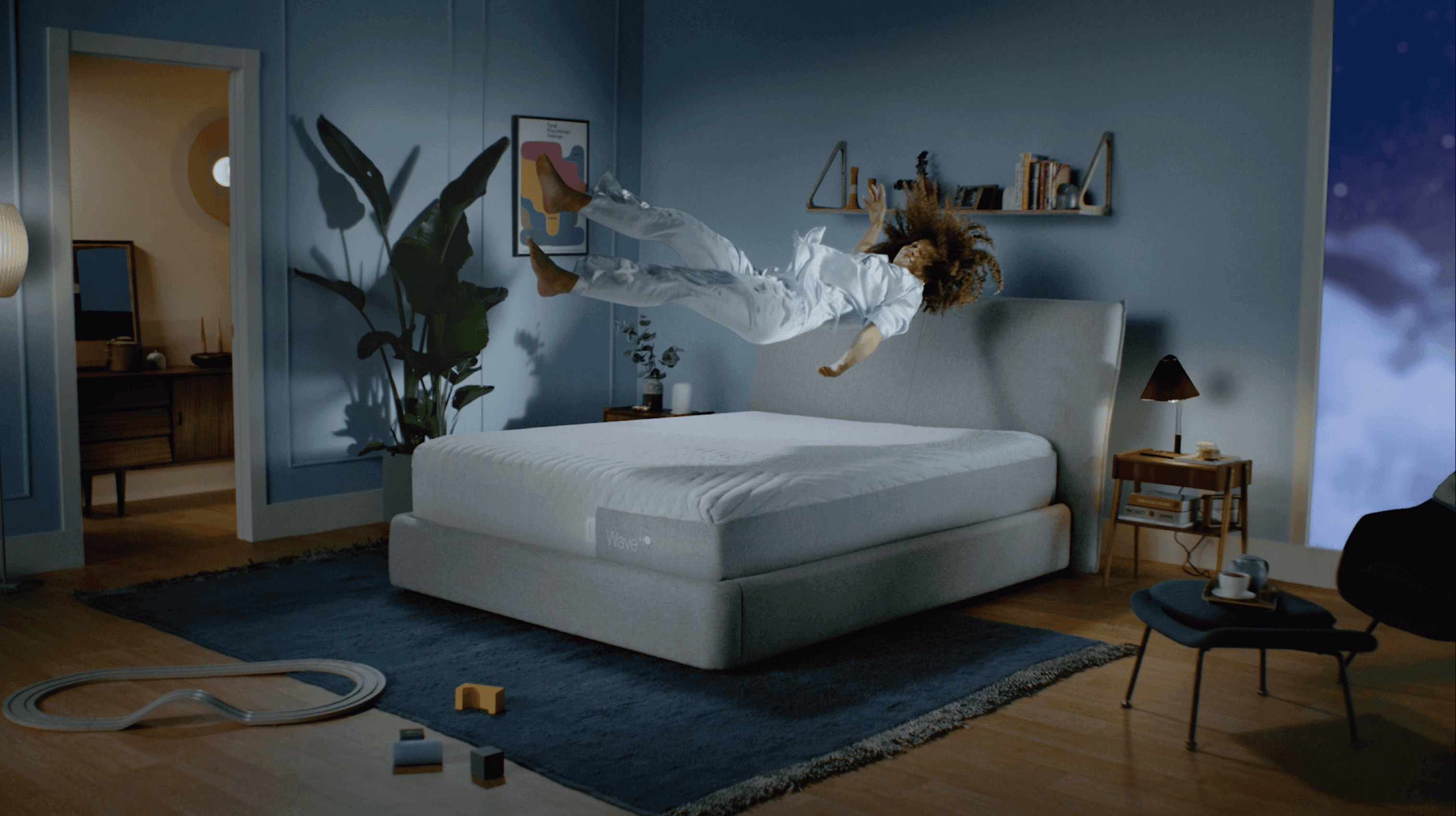
Objective
Add a new demographic to Casper’s addressable market.
Problem
Casper is a ghost to an older generation. The brand is under performing with older millennials and gen x.
Audience
The sandwich generation.
Observation
Multigenerational housing isn’t a trend, it’s a shift in culture.
Insight
For multigenerational homes, sleep is a shared negation.
Strat Line
Comfort for whoever calls it home.
The Cultural Shift
The American household is changing.
More and more Americans are living in Multigenerational Homes.
In 1971, only 7% of Americans lived in multigenerational homes.
By 2021, that number had grown to 18%, and as we move forward that number will only continue to grow.
This shift is driven by rising housing costs, healthcare expenses, and caregiving needs.
in 1971
in 2021
At the center of this shift is the “sandwich generation”.
In this generation adults are caring for both their children and their aging parents under the same roof.
These households bring together multiple lifestyles, schedules, and physical needs, creating new tensions around rest, privacy, and comfort.
As a result, sleep becomes a shared negotiation.
This shift created an opportunity for Casper.
While competitors often market to a simplified lifestyle archetype, multigenerational homes represent a growing audience with diverse sleep needs living under one roof.
Multigenerational homes face unique obstacles.
I monitored the online conversion behind living with multiple generations.
The conversions found were predominantly used as a source of reprieve and venting, echoing the systematic issues our society faces in the face of aging.
Ranging from issues of older parents over stepping their boundaries with a younger generation to handling the emotions of watching your loved ones age in front of you.
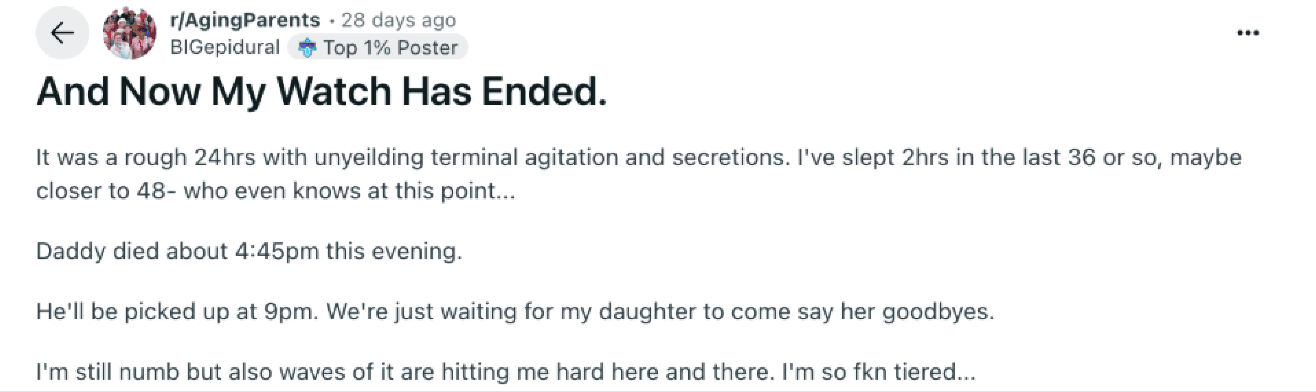
Multigenerational homes face unique obstacles.
I monitored the online conversion behind living with multiple generations.
The conversions found were predominantly used as a source of reprieve and venting, echoing the systematic issues our society faces in the face of aging.
Ranging from issues of older parents over stepping their boundaries with a younger generation to handling the emotions of watching your loved ones age in front of you.


Research & Observation
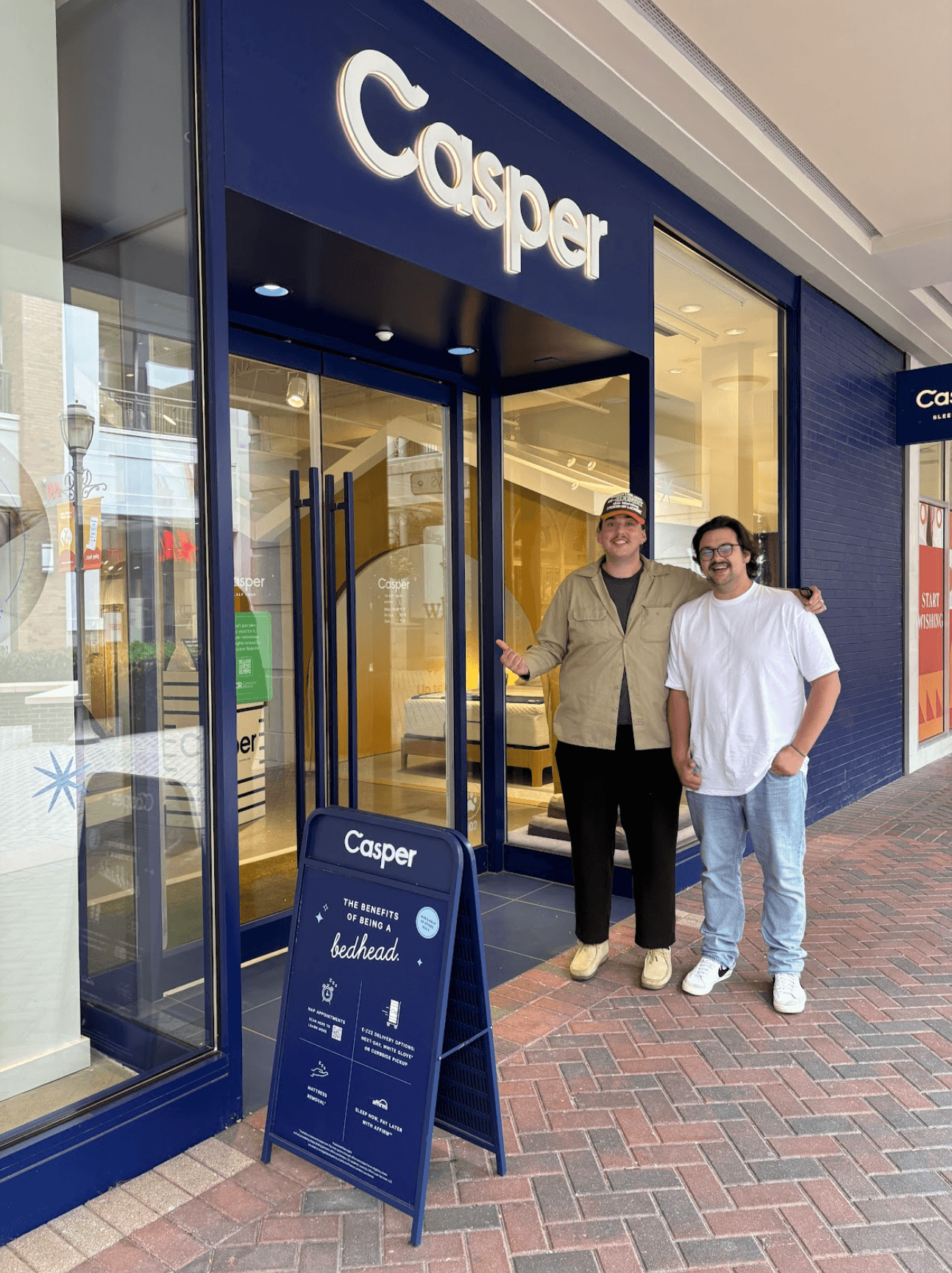
To better understand the category Casper works in and how they can address the target, I conducted shadow shopping at a Casper retail location, observing how people interacted with the products and the brand.
Two things immediately stood out.
First:
The brand’s in store and advertising language leaned heavily on the nuclear family model young couples or small families presented in calm, idealized sleep environments.
Second:
The conversations happening in-store told a much more complex story.
Customers were openly discussing health concerns and comfort needs with staff, reflecting a wider range of needs than the marketing acknowledged.
The top concerns from shoppers included:
Cooling Technology
Back Support
Managing Chronic Pain
While Casper offered products that solved many of these issues, the brand narrative didn’t yet reflect the reality of households where three generations and three completely different sleep requirements coexist.
Casper has an opportunity gain loyalty with the audience and bring this generation of people relief in the form of rest